Betting Exchanges vs Bookmakers, The world of online sports betting in India is buzzing, offering countless opportunities for enthusiasts to engage with their favourite sports, especially cricket. But amidst the excitement, a crucial question often arises: Should you place your bets with a traditional bookmaker or explore the dynamic world of betting exchanges? While both offer avenues for wagering, their fundamental mechanics are vastly different. Understanding these differences is key to making informed decisions and potentially enhancing your betting experience and returns.
Betting Exchanges vs Bookmakers, In this comprehensive guide, we’ll delve deep into the core distinctions between betting exchanges and traditional bookmakers, weighing their pros and cons specifically from an Indian bettor’s perspective. Get ready to uncover which platform might be your best bet!
Traditional Bookmakers: The Familiar Territory. Betting Exchanges vs Bookmakers
For most Indian bettors, traditional bookmakers are the familiar face of the industry. Think of the established names you see advertising during major sports events.
Betting Exchanges vs Bookmakers, Traditional bookmakers operate by setting their own odds for various outcomes of a sporting event. They act as the sole party offering bets to customers, much like a shop selling products. When you place a bet with a bookmaker, you are essentially betting against the bookmaker. If your bet wins, the bookmaker pays you out. If it loses, the bookmaker keeps your stake.
How They Work. Betting Exchanges vs Bookmakers
- Odds Setting: Bookmakers employ expert oddsmakers who calculate probabilities and set odds, building in a profit margin (known as the ‘vig’ or ‘overround’).
- Back Betting: You can only ‘back’ an outcome, meaning you bet for something to happen (e.g., “India to win the match”).
- Fixed Payouts: Once you place a bet, your potential payout is fixed based on the odds at that moment.
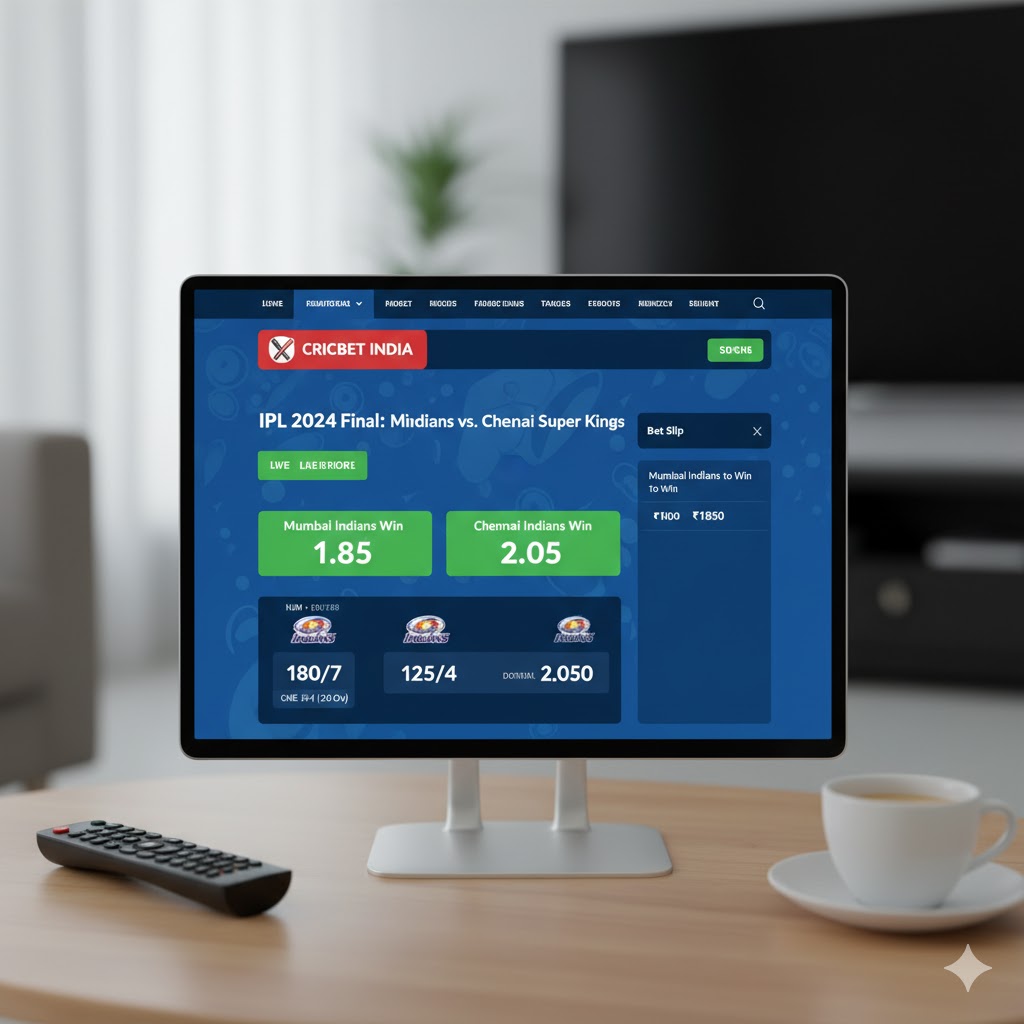
Here’s a visual representation of how a traditional bookmaker’s interface might look when offering odds:
Pros of Traditional Bookmakers: Betting Exchanges vs Bookmakers
- Simplicity: Easy to understand, especially for new bettors. You pick an outcome, place your stake, and wait.
- Guaranteed Odds: Once you place your bet, your odds are locked in.
- Promotions & Bonuses: Often offer enticing sign-up bonuses, free bets, and loyalty programs to attract and retain customers in India.
- Convenience: Widely accessible with many payment options popular in India.
Cons of Traditional Bookmakers: Betting Exchanges vs Bookmakers
- Limited Odds: Odds are set by the bookmaker and may not always be the most competitive.
- Built-in Margin: The bookmaker’s profit margin means you’re often getting slightly less value than the true probability.
- No Lay Betting: You can only bet for an outcome, not against it.
- Account Restrictions: Successful bettors might face stake limitations or account closures.
Betting Exchanges: The Peer-to-Peer Revolution. Betting Exchanges vs Bookmakers
Betting exchanges represent a more modern and dynamic approach to sports wagering. Instead of betting against a bookmaker, you are betting against other bettors. The exchange simply provides the platform for these peer-to-peer bets and takes a small commission on winning bets.
Imagine a stock exchange, but for sports outcomes. Buyers (those who want to ‘back’ an outcome) and sellers (those who want to ‘lay’ an outcome) come together to agree on odds.
How They Work
- Peer-to-Peer Matching: You place a bet, and another user on the exchange matches it.
- Back & Lay Betting: This is the key differentiator.
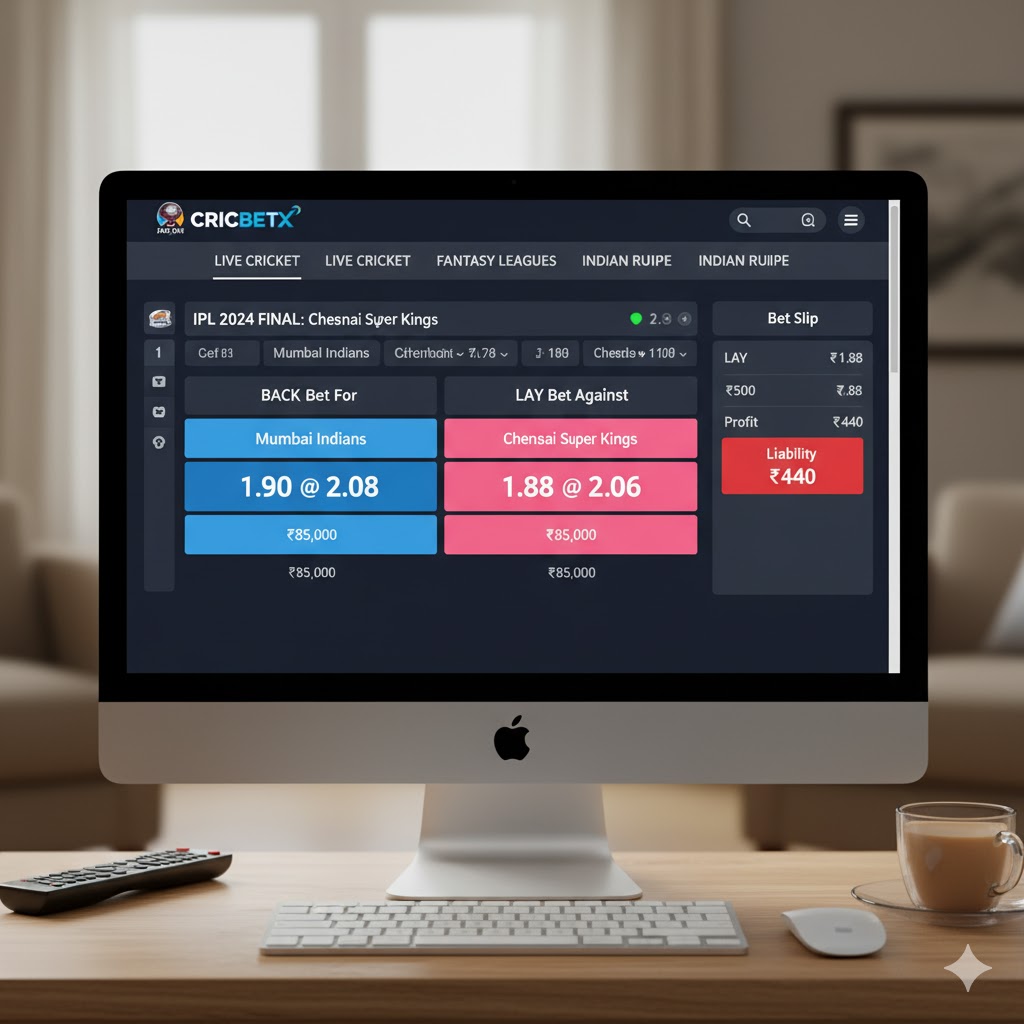
- Backing: Betting for an outcome to happen (e.g., “Mumbai Indians to win”).
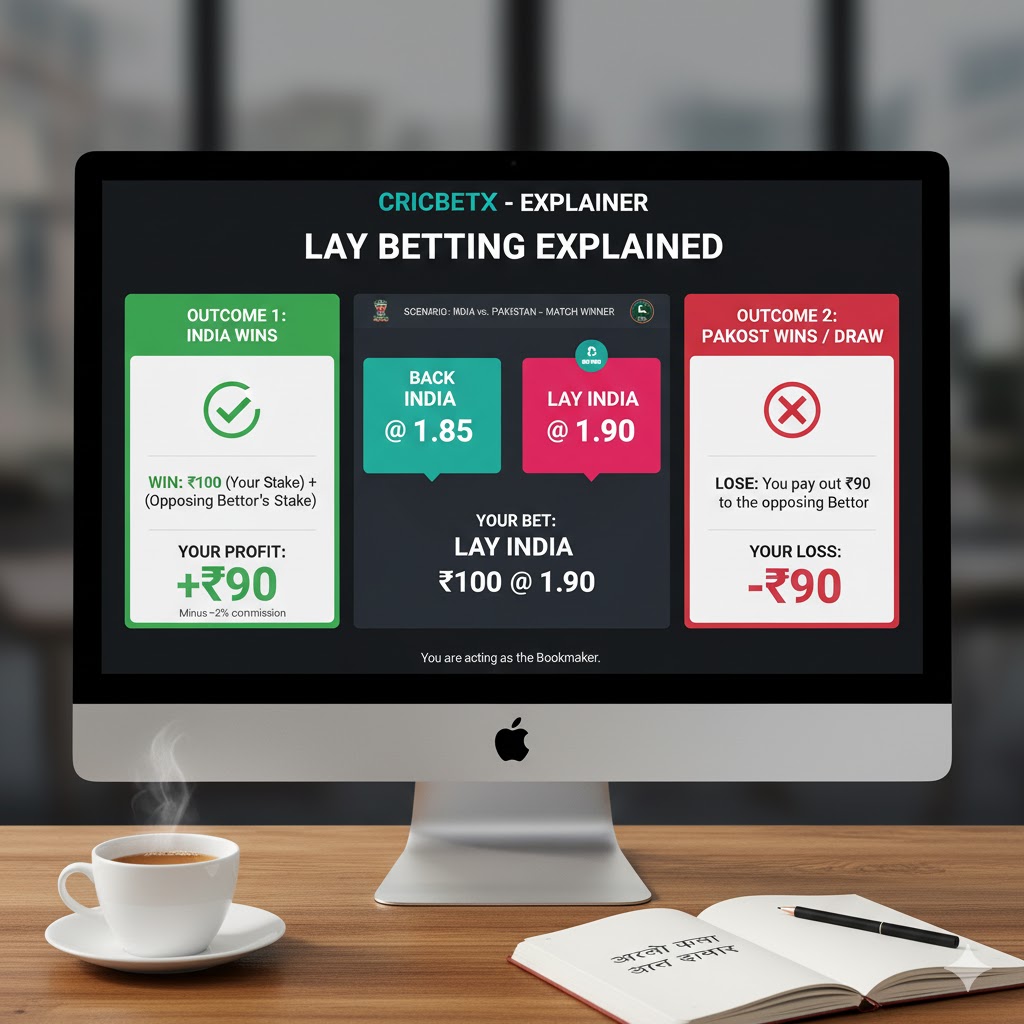
- Laying: Betting against an outcome to happen (e.g., “Mumbai Indians not to win” – meaning a draw or the other team winning). When you lay a bet, you are essentially acting as the bookmaker, taking on the liability if the outcome you bet against occurs.
- Market-Driven Odds: Odds are determined by supply and demand among bettors, often leading to more competitive prices.
- Commission: Exchanges typically charge a commission (e.g., 2-5%) on winning bets, not on losing ones.
Here’s an illustration of the back and lay options typically found on a betting exchange, showcasing the dynamic nature of peer-to-peer betting:
Pros of Betting Exchanges:
- Better Odds: Often offer more competitive odds due to the absence of a built-in bookmaker margin. You’re getting closer to the ‘true’ price.
- Lay Betting: The ability to bet against an outcome opens up advanced strategies like matched betting and hedging. This is a massive advantage for experienced bettors.
- No Restrictions (Generally): Exchanges are less likely to restrict winning accounts as they profit from commission, not your losses.
- Trading Opportunities: The fluctuating odds allow for in-play trading, where you can back and lay at different prices to guarantee a profit regardless of the outcome.
To further illustrate the concept of lay betting and how it works for different outcomes:
Cons of Betting Exchanges:
- Complexity: Can be more daunting for beginners due to the lay betting concept and fluctuating odds.
- Liquidity Issues: For niche markets or less popular events, there might not be enough other bettors to match your desired bet, or the odds might not be attractive.
- Commission: While often offset by better odds, the commission on winning bets needs to be factored into your calculations.
- Fewer Promotions: Generally offer fewer upfront bonuses compared to traditional bookmakers.
Key Differences at a Glance:
Let’s summarise the main distinctions that Indian bettors should consider:
| Feature | Traditional Bookmaker | Betting Exchange |
| Who you bet against | The bookmaker | Other bettors (peer-to-peer) |
| Role | Sets odds, takes bets, pays out | Provides a platform, matches bets, takes commission |
| Betting options | Only ‘Back’ (for an outcome) | ‘Back’ (for) and ‘Lay’ (against) an outcome |
| Odds | Set by bookmaker (includes margin) | Market-driven (supply/demand), often more competitive |
| Profit model | Profits from your losses | Profits from commission on winning bets |
| Punter experience | Simpler, fixed odds | More complex, dynamic odds, trading opportunities |
| Restrictions | May restrict winning accounts | Less likely to restrict winning accounts |
| Bonuses | Frequent sign-up and loyalty bonuses | Fewer promotions, focus on better odds |
Export to Sheets
Which is Right for You in India?
The choice between a betting exchange and a traditional bookmaker largely depends on your betting style, experience, and goals.
For Beginners & Casual Bettors:
If you’re new to online betting in India, prefer a straightforward experience, and enjoy the occasional bonus, traditional bookmakers might be a better starting point. They are simpler to navigate, and the concept of ‘backing’ a team to win is universally understood.

For Experienced & Strategic Bettors:
If you’re looking for greater control, better value, and the ability to implement advanced strategies like matched betting, betting exchanges are invaluable. The ability to lay outcomes opens up a world of possibilities for hedging, arbitrage, and generating consistent profits by leveraging bookmaker bonuses. Many serious Indian bettors find exchanges essential for maximising their returns.
Imagine an Indian bettor, meticulously planning their strategy, potentially using both types of platforms for different advantages:

Ultimately, there’s no rule saying you can’t use both! Many shrewd Indian bettors maintain accounts with several traditional bookmakers and at least one betting exchange to cherry-pick the best odds and take advantage of various promotions.
Conclusion
Both betting exchanges and traditional bookmakers offer compelling reasons to be your platform of choice for sports betting in India. Traditional bookmakers excel in simplicity and promotional offers, making them ideal for casual bettors. Betting exchanges, with their peer-to-peer model and lay betting functionality, offer superior odds and strategic depth for more advanced users.
By understanding these fundamental differences, you are now equipped to choose the platform that best aligns with your betting philosophy and helps you get the most out of your online sports betting experience. Happy betting!